




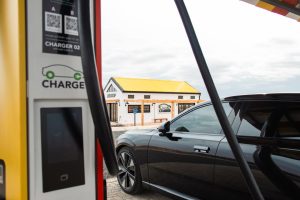
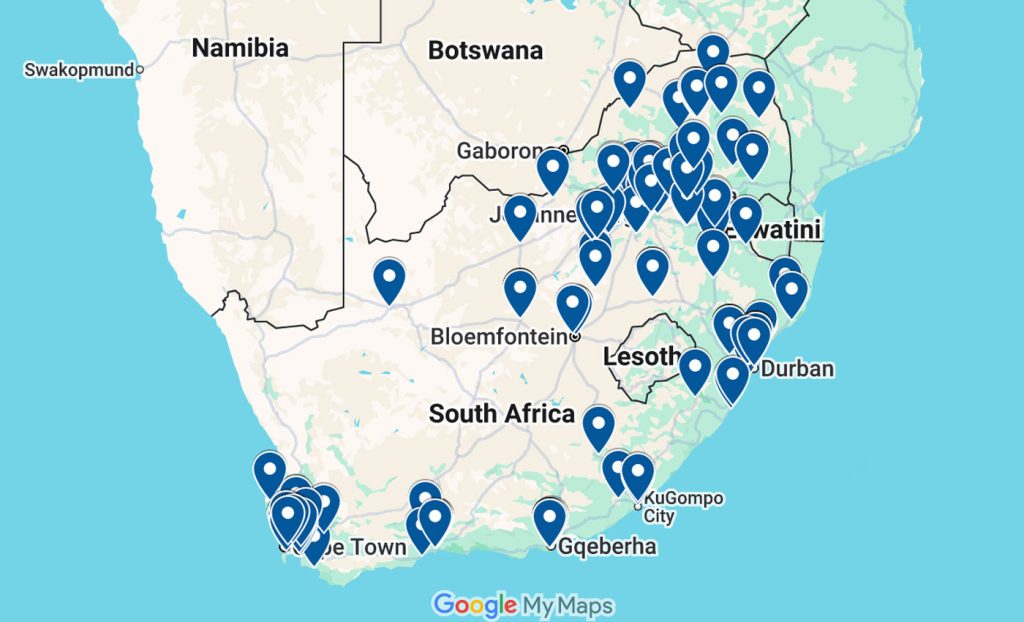
It’s 2025. The world is racing toward net-zero, EVs are outselling internal combustion engines in China, and oil giants are rebranding themselves as “energy companies.” Meanwhile, South Africa idles at the starting line — engine sputtering, map unread, leadership asleep at the wheel. Our government likes using the term “a just transition” to green energy, but it’s “just” not happening.
Take a closer look, and you’ll discover that the problem isn’t a lack of ambition — it’s an abundance of contradictory, siloed policymaking. Every government department and State-Owned Enterprise has its own agenda. The Department of Labour envisions a thriving automotive industry yet offers little clarity on upskilling workers for an electric future. National Treasury slaps hefty import duties on EVs, effectively making green mobility a luxury item. The Department of Energy, is steered by a Minister who clings to coal like a comfort blanket, paying lip service to renewables while throttling their rollout.
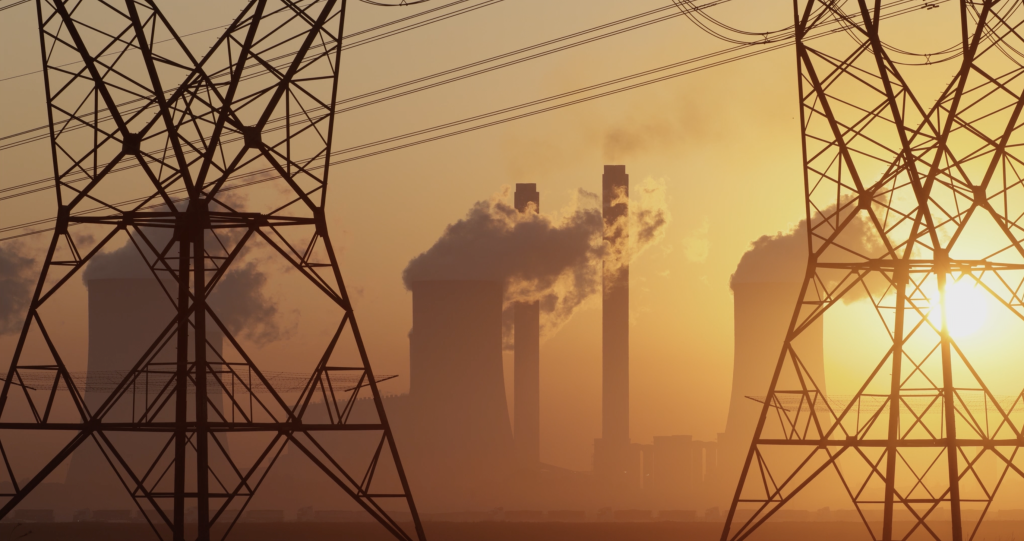
Eskom, the state utility at the heart of SA’s continuing energy crises, remains the embodiment of dysfunction. Not only has it failed to stabilise the grid — it’s shown no credible plan to become a green utility. Solar and wind IPPs remain trapped in procurement purgatory. Rooftop solar power is booming in spite of Eskom, not because of it.
The domestic car manufacturing sector is pursuing its uninterrupted production of ICE vehicles. Protected by exorbitant ad valorem taxes, coddled by subsidies and hamstrung by unions, it lacks both urgency and vision. While Chinese EV makers like BYD and Geely expand into Europe (and soon starting production in SA), South African factories remain anchored to outdated production lines — blind to global trends, unprepared for disruption. ICE production will soon be frozen out of the market by EVs; we can be part of that upward curve, or we can sit on the sideline and watch it soar.
Leadership, too, is stuck. President Ramaphosa has made bold pledges — zero emissions by 2050, a green industrial revolution, EV adoption — but these are undermined by inertia, factional paralysis, and vested interests. His government’s “just energy transition” is long on talk and short on action.
And then there’s Minister Gwede Mantashe, the gatekeeper of our energy destiny, who has yet to offer a coherent roadmap to decarbonisation. Instead, we get policy fog, administrative red tape, and budgetary black holes. He seems less interested in energy reform, than in appeasing organized labour.
All of this paints a bleak picture: South Africa says it wants to lead but acts like it’s afraid to follow. The consequences will be dire. Investors are shifting green capital elsewhere. Young engineers are leaving. And the climate clock is ticking.
There’s still time — but we need to act. In solving the 2025 budget dispute The GNU has shown that it can act maturely and embrace a united approach. Incentives aligned to decarbonisation need to be put into place. Red tape must be cut so that the private sector can build, allowing South Africa into a green future. What’s best for the country and its people needs to be put above personal and party agendas. We have the best sun in the world, we have space for solar arrays, and we have technological skills. What we lack is political will.
Will we embrace a green energy future and become an African giant? Or stay caught like a Springbok in the headlights, remembered only as a cautionary tale?
Tim Sandham is the CHARGE Document Controller and bear-poker in chief. If you learned even just one fact, please send the link to someone who might enjoy it. If you want to chastise him for being regurgitative, do so here: [email protected].
