




Professor Ricardo Hausmann’s Harvard Growth Lab report has gained more attention for its diagnosis of South Africa’s problems than for the remedies he proposes. But it is his prescription to grow the economy that, I believe, we should be getting really excited about. One of the key recommendations in the Harvard report is for South Africa to focus on ‘green growth’ by leveraging its ample solar and wind resources to benefit from the global shift to decarbonisation. According to Professor Hausmann this can be achieved in two ways:
“First, the world will need to electrify anything that can be electrified. Good examples are electric vehicles for transportation and electric arc furnaces for producing and recycling steel and making alloys. Second, electricity must be made in green ways, leveraging solar, wind, hydropower, and nuclear technologies.”
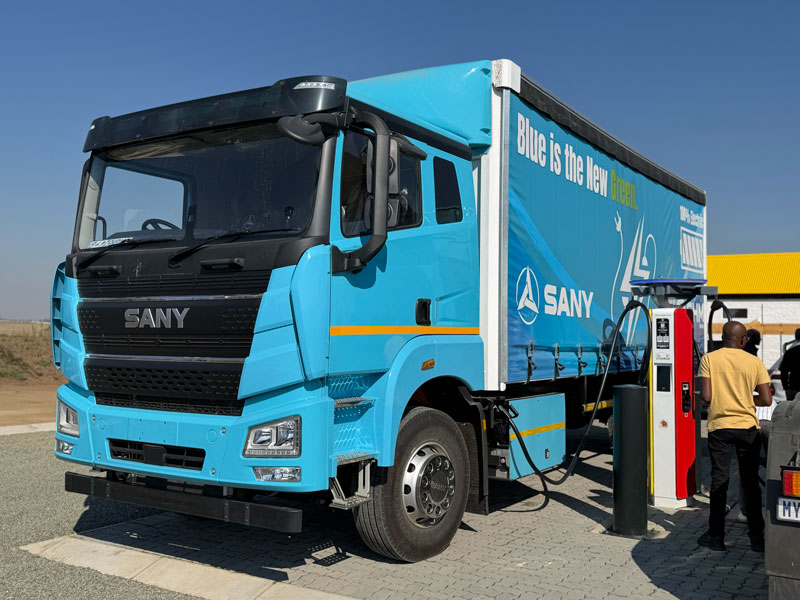
It is the second point – producing electricity via renewable energy sources – that is so pertinent for South Africa and the discussions we are currently having around the electric vehicle (EV) policy. Indeed, questions are being asked about the energy source for charging EVs given that South Africa’s electricity supply is still overwhelmingly generated by dirty coal-fired power plants. Are EVs powered by coal the environmental game-changer that some are claiming them to be?
Furthermore, our current grid, managed by Eskom, wasn’t designed to manage the demands imposed by the mass charging of EVs. Indeed, questions are being asked about whether the grids in even the most developed countries will be able to handle the demands of a mass transition to EVs.
Enabling the green growth
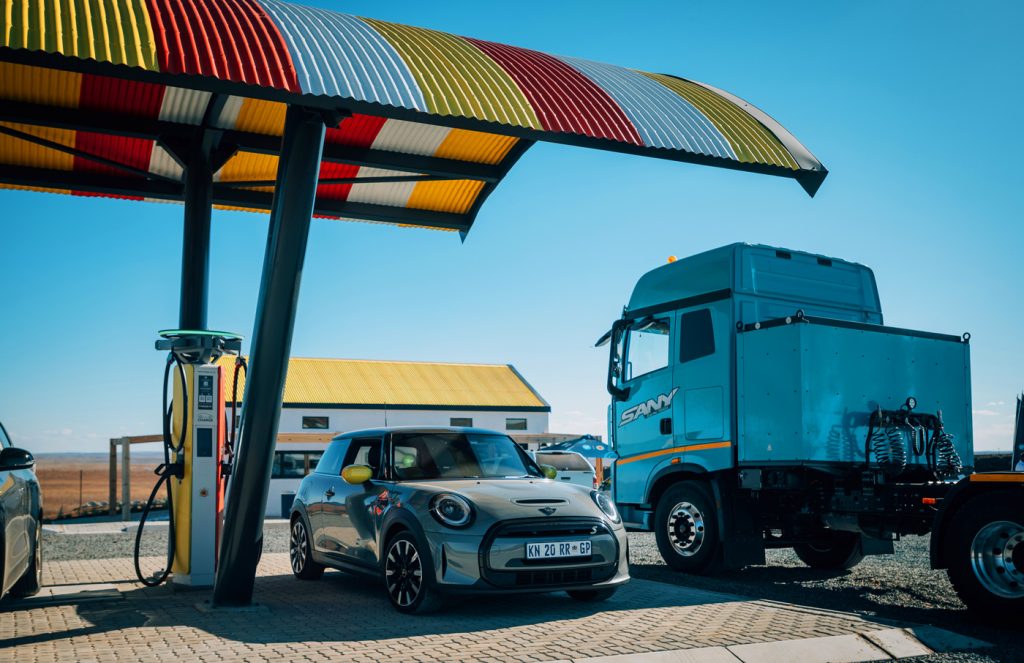
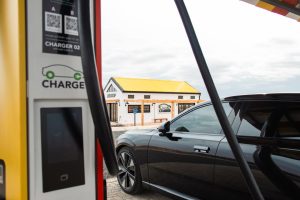
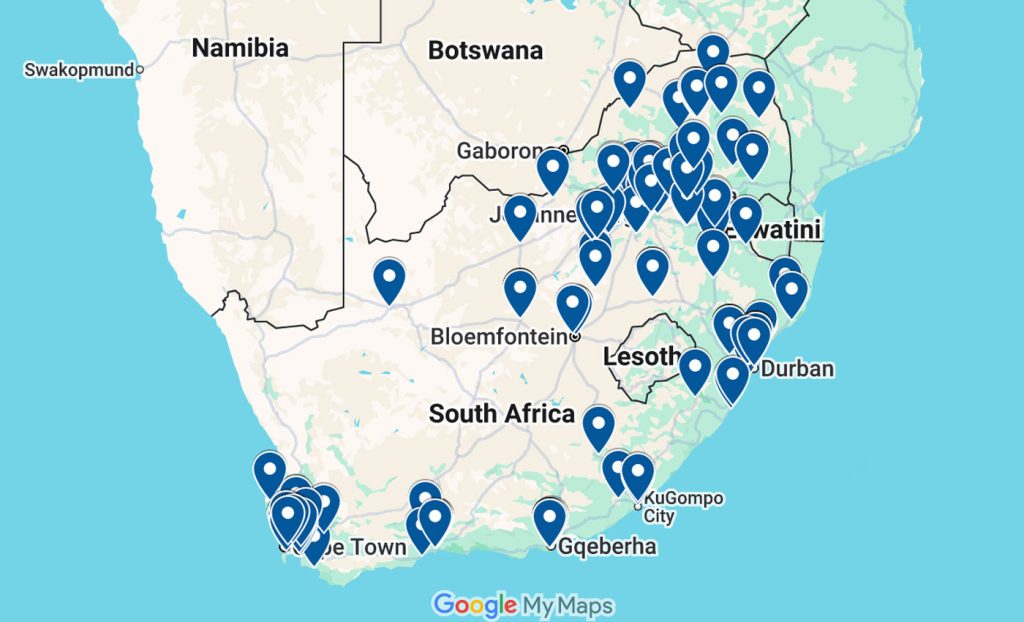
To enable green growth in the EV space, what is needed is a 100% renewable energy, off-grid, solution. Fortunately, SA already has the technology and the know-how to achieve this: our company, Zero Carbon Charge, last week began construction on the first of a national network of 120 off-grid, sustainable charging stations, with charging infrastructure powered by photovoltaic solar panels.
Besides being clean and off-grid, EV charging stations are going to need to be fast if we are to accommodate the expected proliferation of EVs in our market. This is why we use 720 DC ultra-fast charge points for EVs, plus 240 AC charge points for plug-in hybrids. Each Zero Carbon Charge charging station can charge an EV in about 20 minutes. By contrast, it will take a standard ‘on-grid’ AC charging station around 4 hours to fully charge an EV.
This needs to happen now
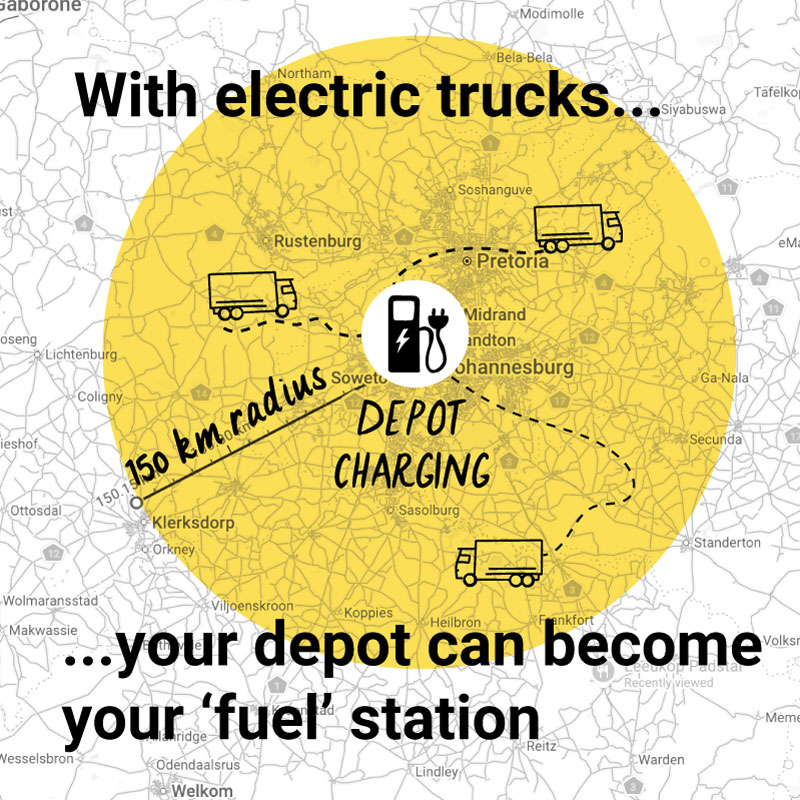
Lastly, it is important to build a network – as quickly as possible – to mitigate EV owners’ ‘range anxiety’. Our planned network of EV charging stations 150km apart – due for completion in September 2025 – will do just that. We are building partnerships with farmers and landowners who will lease sites to us in exchange for a percentage of turnover and a contribution to local education and skills development. We are moving quickly to build this network of 100% renewable energy and off-grid charging stations. The only hurdle in our way is the bureaucratic red tape that – if not cut through – could severely curtail South Africa’s potential to benefit from the ‘green growth’ identified by Professor Hausmann and his team.
Each planned deployment of the 120 charging stations faces challenges linked to land use and environmental applications. Moreover, the absence of a national EV policy further complicates matters, particularly in dealings with SANRAL, causing multiple delays and stalling applications for construction and land use approvals.
These challenges underscore the urgency of establishing clear and supportive policies that facilitate the deployment of EV infrastructure. Streamlined policies could ease the hurdles related to land use, environmental concerns, and bureaucratic delays, fostering an environment conducive to widespread EV adoption and the promise this holds for ‘green growth’.

Venter is Head of Government Relations at Zero Carbon Charge. This article is based on a speech delivered to the Presidential Climate Commission for its Energy Dialogue on the Transition towards New Energy Vehicles.
