




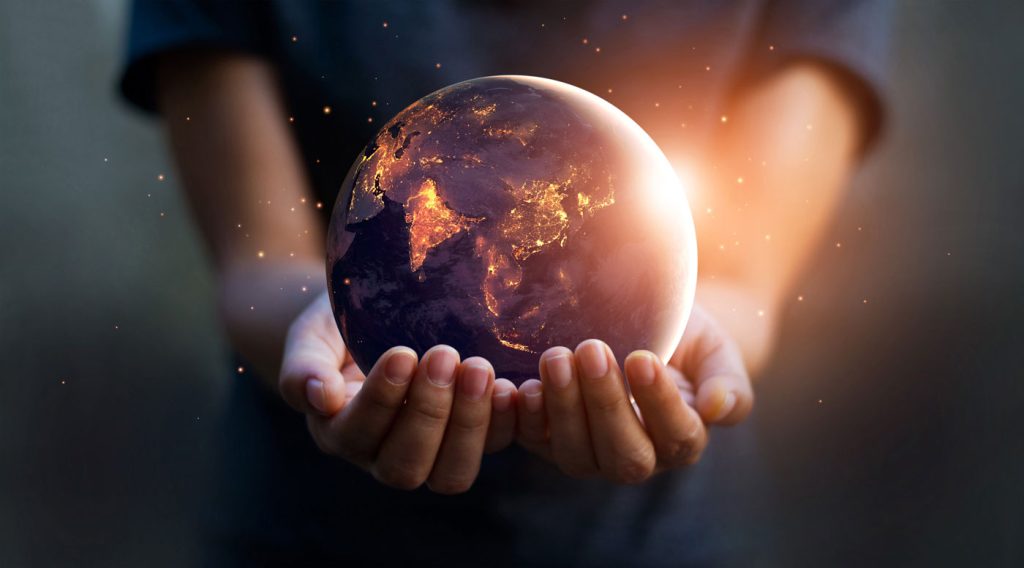
It’s a daunting prospect, to live, grow up, and make memories in one’s youth all the while the literal apocalypse looms over the horizon. It’s not a burden any of us chose, nor is it one we carry equally well, but we carry it together. For the sake of our environment, our community, and our future, we carry on.
And I do mean it when I say we carry it together. The environment of the 21st century makes for a very different upbringing than the ones that came before it and with the advent of the internet came a whole new method of forming communities which measure in the thousands as well as the development of what I can describe as something like a “global consciousness.” That is to say, a growing awareness of the goings-on of the world thanks to the increased use of social media and other data networks.
As a member of this generation, I spent a lot of time within online communities, some long established and others still young. I never personally interacted with anyone, I was mainly there for the artists and writers who shared their work with their followers and mutual creators. For the time being, that was all it was to me.
As the years went on, I became increasingly more aware of just what kind of danger climate change truly was. I was afraid, to say the least, but worse than that, is that I felt powerless. I felt small in the face of all the problems the news outlets and articles were spewing. In a way I could understand the frustratingly slow progress towards a solution; to seek solutions would require engaging with the facts, and the facts are far from comfortable.
That’s when the internet became more important in my eyes. I had had enough of despair; I wanted hope. I wanted something—anything—to tell me that the world wasn’t doomed just yet. And I had found it online, among those seeking the same. I found blogs, articles, and videos, all of them well-researched and well-made. They spoke of more than doom and gloom; they spoke about solutions and hope and how change could still be made despite all opposition.
My generation had found an outlet, a self-made community of those who chose to not only seek out hope, but to face the future head on, perhaps scared but holding faith in a future that can be far better than our present.
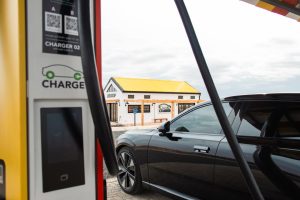
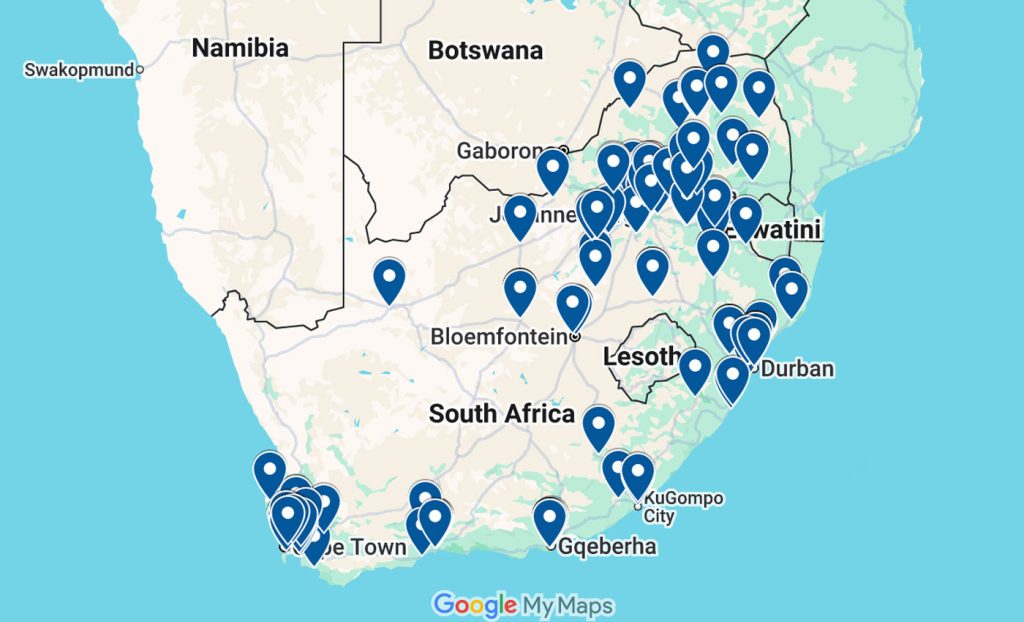
It’s one of the main things that stood out to me about Zero Carbon Charge: the idea of wresting control from Eskom’s monopoly on the energy sector and putting it under a more democratic form of management. It was a radical idea to me, who never considered such change could come so close to home. What surprised me more was how little I had heard of it. All this time I had been keeping up with developments on every other continent but mine, and all this time there was hope even here.
ABOUT THE AUTHOR: Stawie is a tech-loving young optimist, intrigued by the mysteries of what lies ahead.
