





A recent Copernicus study revealed some alarming numbers about the rising global temperatures we’ve seen over the past 10 years. These numbers have caught the attention of news platforms the world over, striking fear into the hearts of most.
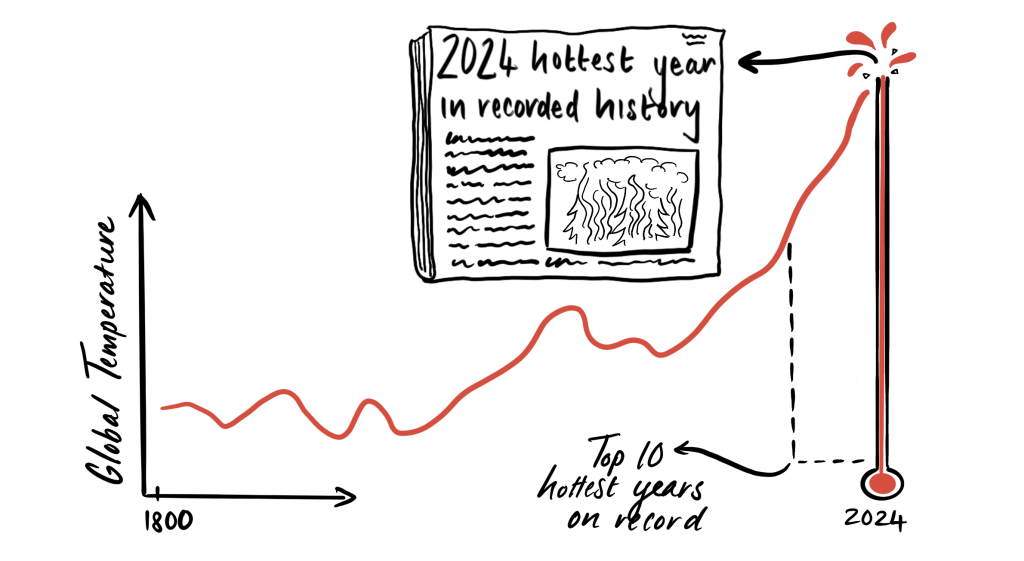
2024 has been confirmed as the warmest year recorded globally. It is the first year in which the average global temperature exceeded 1.5°C above pre-industrial levels. This is significant. The Paris Agreement noted 1.5°C as the threshold after which significant catastrophic climate events are likely to occur.
The news that President Trump has both withdrawn the US from the Paris climate agreement and is keen to support Saudi Arabia’s $600 million investment in the US, alluding to more drilling and oil production, adds searing insult to serious injury.
Big industry’s disregard for climate change in the first world has severe consequence in developing countries. In South Africa we rely on agriculture and biodiversity. When these are threatened by climate catastrophes – and we do not have the adequate resources, finance, or infrastructure to manage them – we end up paying a bill we can’t afford for a product we didn’t buy.
Cue heavy hopelessness, helplessness and existential, nihilistic spirals. Reader, step away from the ledge.
Knowledge is power, and when we know what is causing this drastic rise in temperatures, we can make moves to adapt to and mitigate this new climate reality.
Why are global temperatures rising?
It chiefly comes down to a build-up of greenhouse gases, particularly Carbon Dioxide (CO2) which have been released through various human follies – like burning fossil fuels – since the industrial revolution.

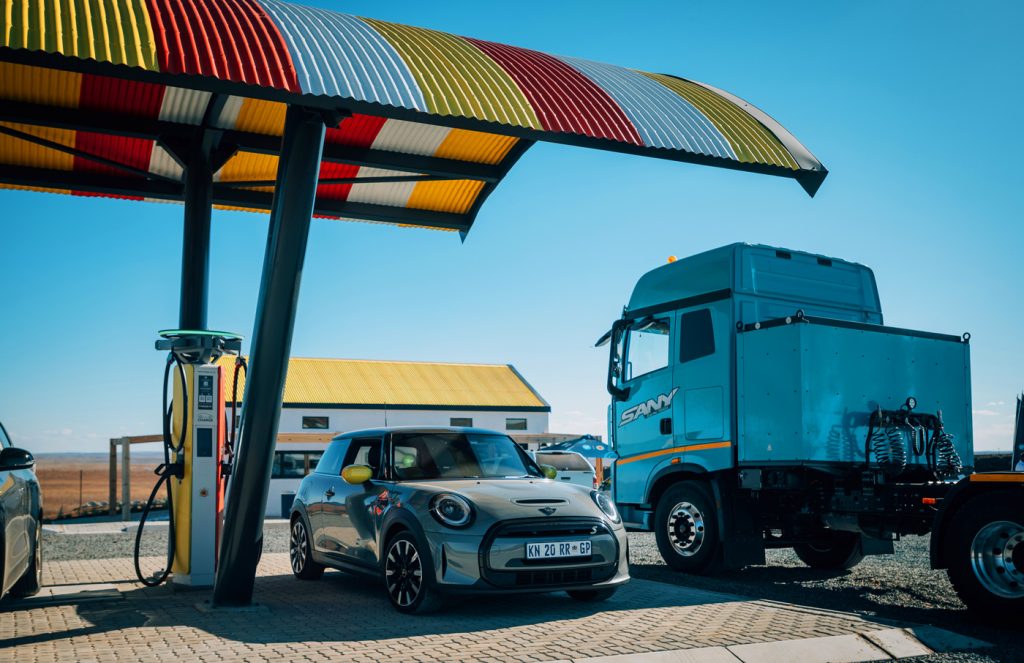
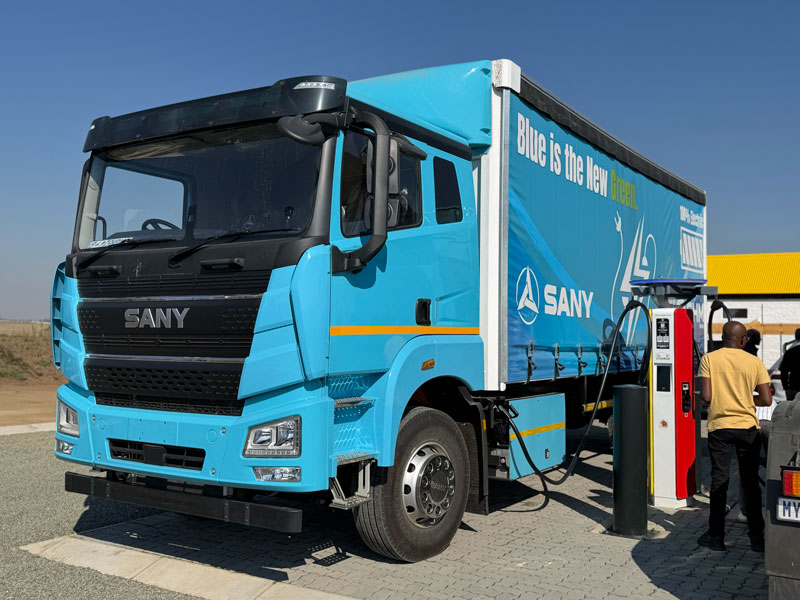
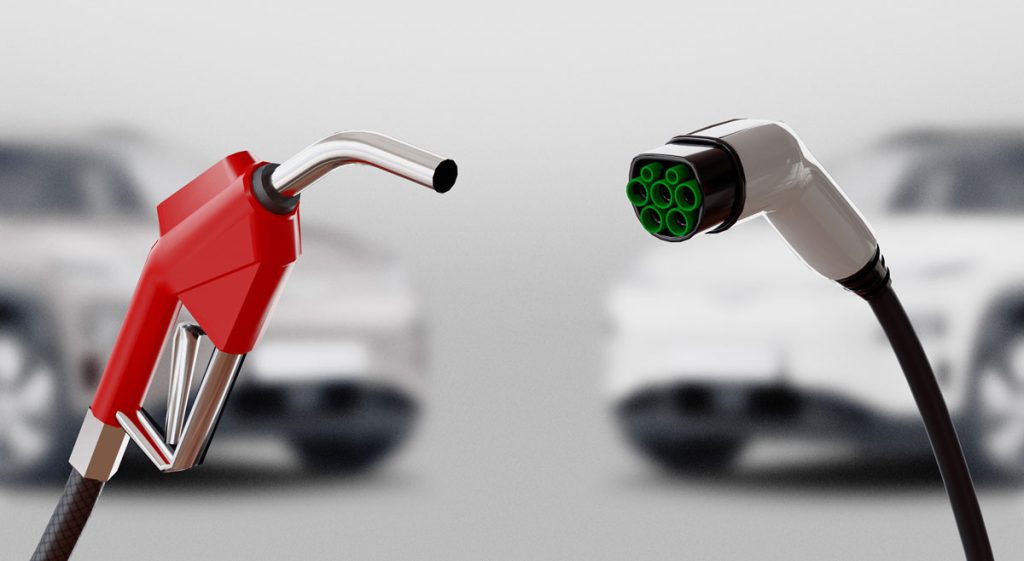
With this information, we channel overwhelming climate anxiety into action. Individual efforts make a difference. Behaviours catch on, and singular acts become movements. Much like Electric Vehicle (EV) adoption. Anyone who has travelled to the global north recently will remark on the wide use of EVs. Once driven primarily by tech enthusiasts and environmentalists, they are now so common that car fumes from Internal Combustion Engine (ICE) vehicles feel intrusive and poisonous by comparison.
How EVs and Solar Power will make a difference
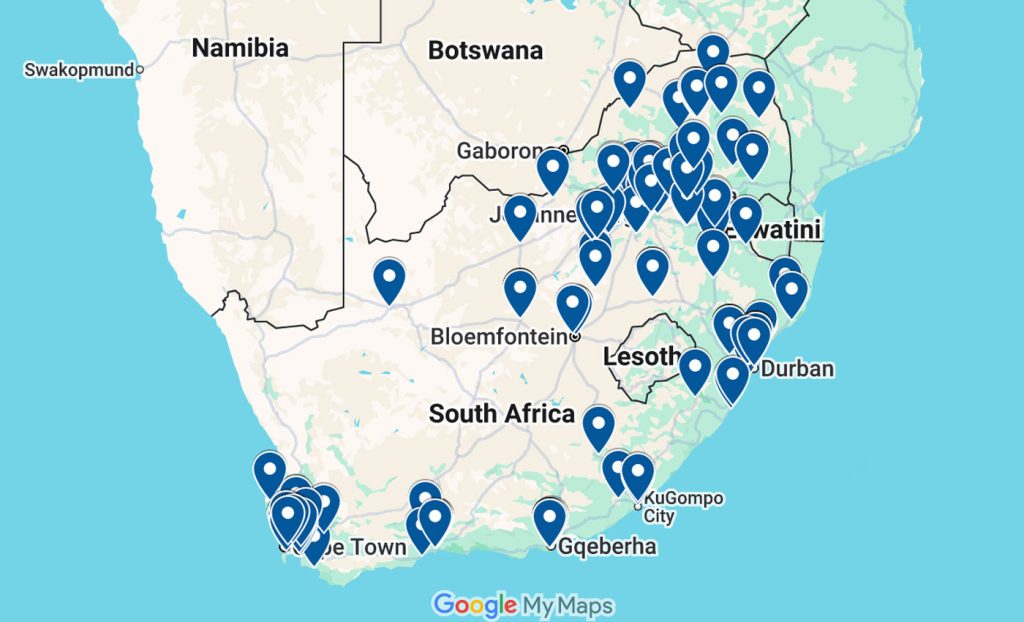
The switch from ICE vehicles to EVs has made a huge positive impact on CO2 emissions worldwide, but in South Africa, we need to back up our energy production with renewables to really make a difference. Charging an EV with solar power will significantly reduce the carbon footprint of the EV in question, in comparison to connecting it to a fossil-fuel-burning grid.
Once we’re driving electric vehicles, and using solar to charge them, we’ll be doing our bit to reverse the scary numbers we’re seeing, and it’ll be easier than separating recycling from trash.
Don’t let fear overwhelm you. Change how you travel, what energy you’re using, and have an answer to the inevitable question “what did you do about Global Warming?”
Words and Illustrations by Jennifer Worthington-Smith, Content Creator for Zero Carbon Charge. She is driven by the South African project and helping humanity to lighten their heavy tread on our land.
