





By Andries Malherbe
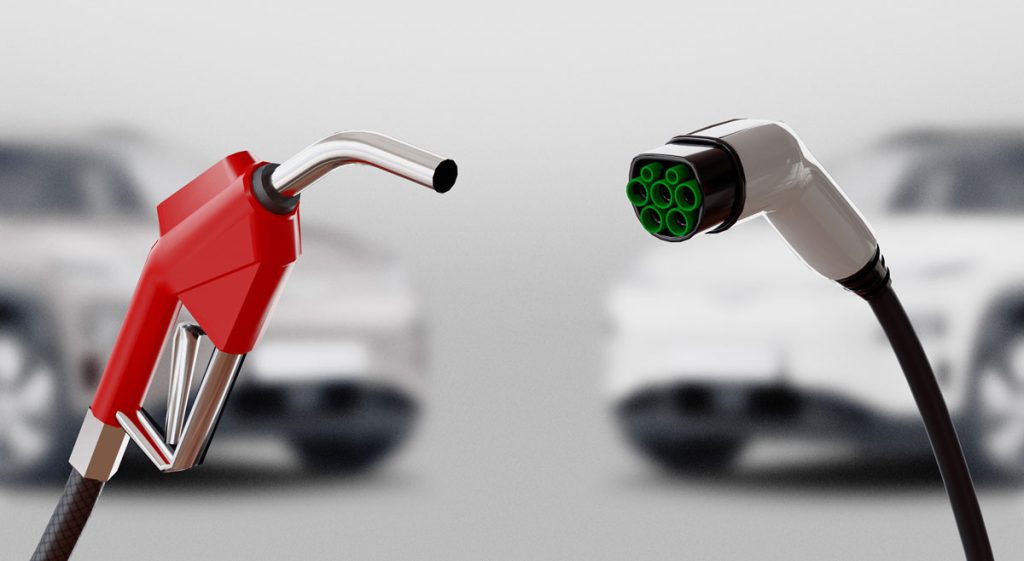
Global events continue to translate directly into local fuel costs. Within weeks of geopolitical disruption, South African motorists are feeling the impact at the pump.
Recent increases, with petrol rising by over R3 per litre and diesel by more than R7, with more increases expected reinforce a persistent reality that South Africa’s economic wellbeing remains highly dependent on the international oil price, and therefore vulnerable to forces beyond its control.
This dynamic is now influencing behaviour. Energy crises have historically caused significant and lasting shifts in behaviour
As geopolitical tensions push oil prices higher, markets respond quickly. In the United States, EV demand has already accelerated in response to energy security concerns. Locally, early signs of the same shift are emerging, with rising consumer interest in electric vehicles as fuel costs increase.
But this is not simply a reaction to short-term price pressure.
The underlying realities of electric mobility are becoming increasingly compelling: ultra long ranges equal to or exceeding petrol and diesel car ranges, charging that takes no longer than filling a car with fuel, hybrid options that combine the best of both engine types. In addition, lower total cost of ownership, lower maintenance requirements, and rapid improvements in battery technology are repositioning EVs from alternative to rational choice.
Globally, this transition is already scaling. EV sales reached an estimated 14.7 million units in 2025 and are projected to grow further in 2026. Manufacturers are expanding rapidly, with players like BYD producing at multi-million unit scale.
Demand is no longer the question. The opportunity is in infrastructure.
It is now abundantly clear that a fuel market worth R500 billion annually, is steadily going to be disintermediated by the provision of electricity for charging. In the case of those companies using renewables, they will also capture the margins inherent in producing their own power, making for a compelling business case.
This is why the structure of the energy system matters.
For South Africa to meaningfully reduce its exposure to imported oil, electrification must be paired with infrastructure that is independent, scalable, and built for long-term cost stability.
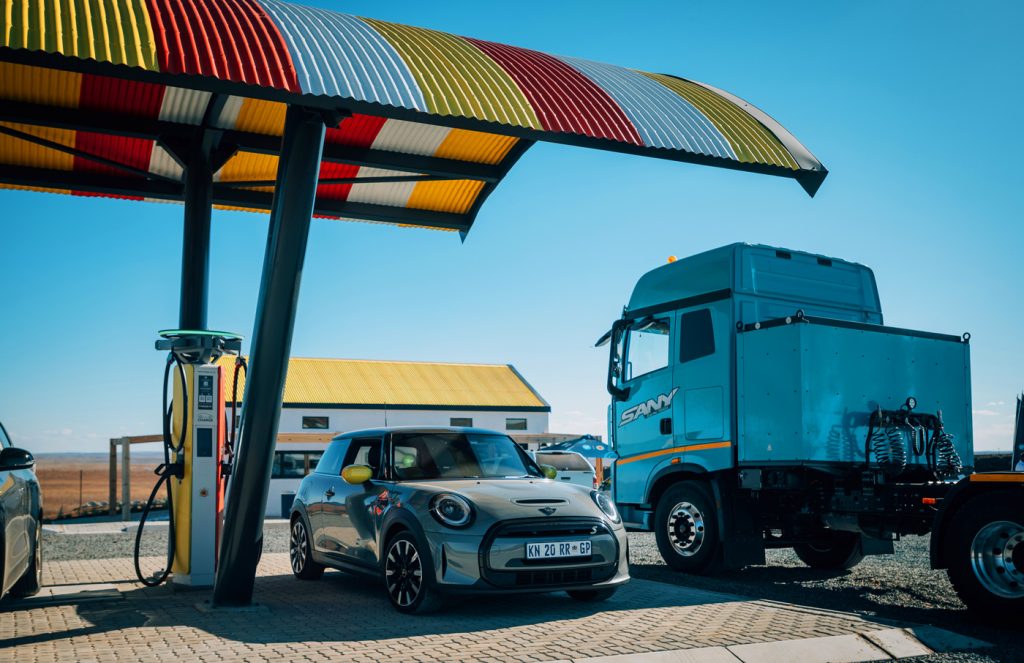
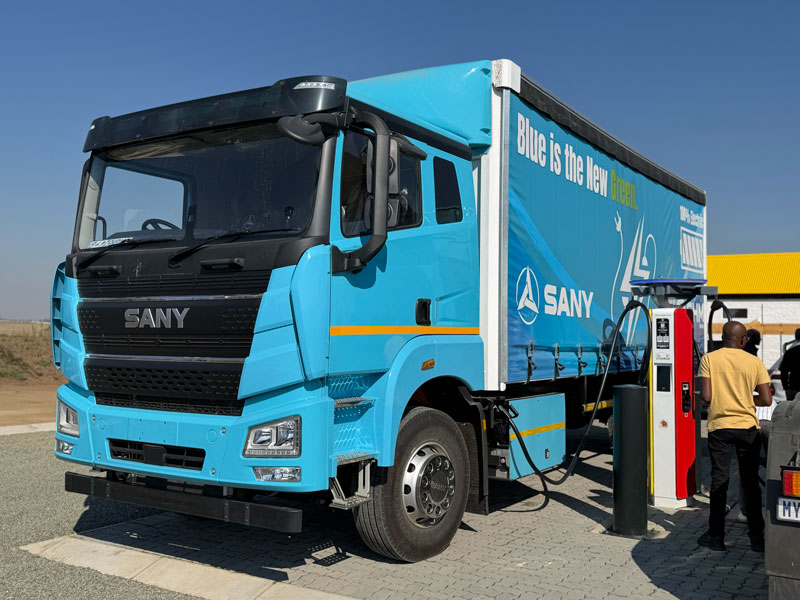
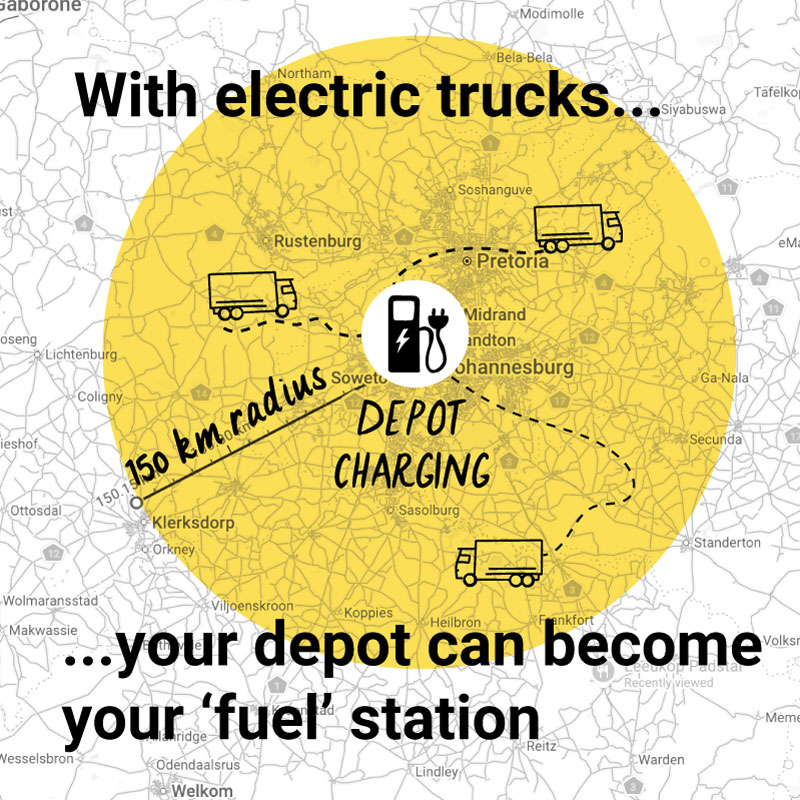
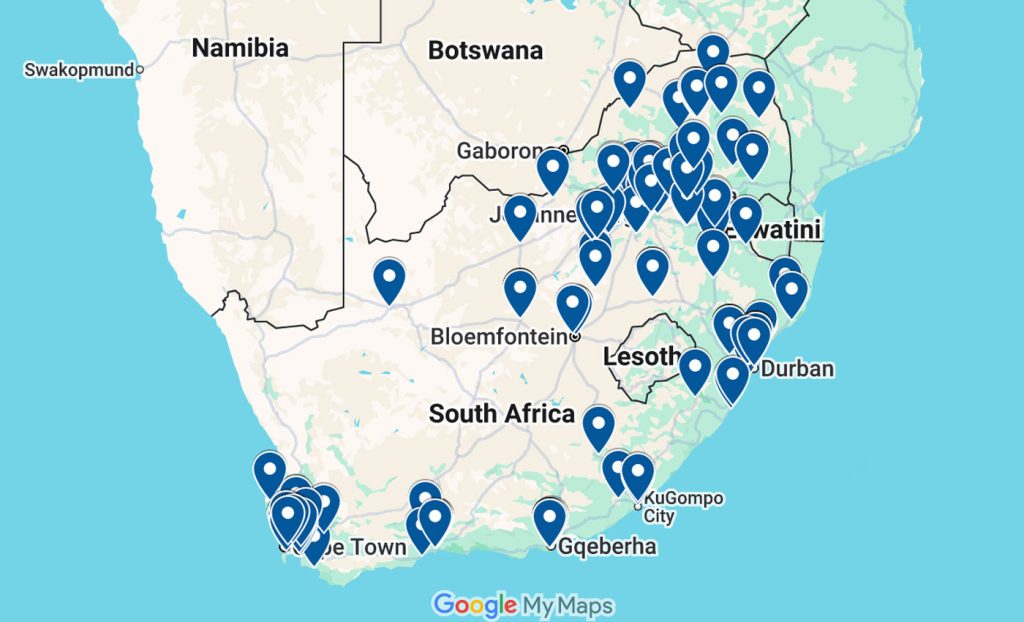
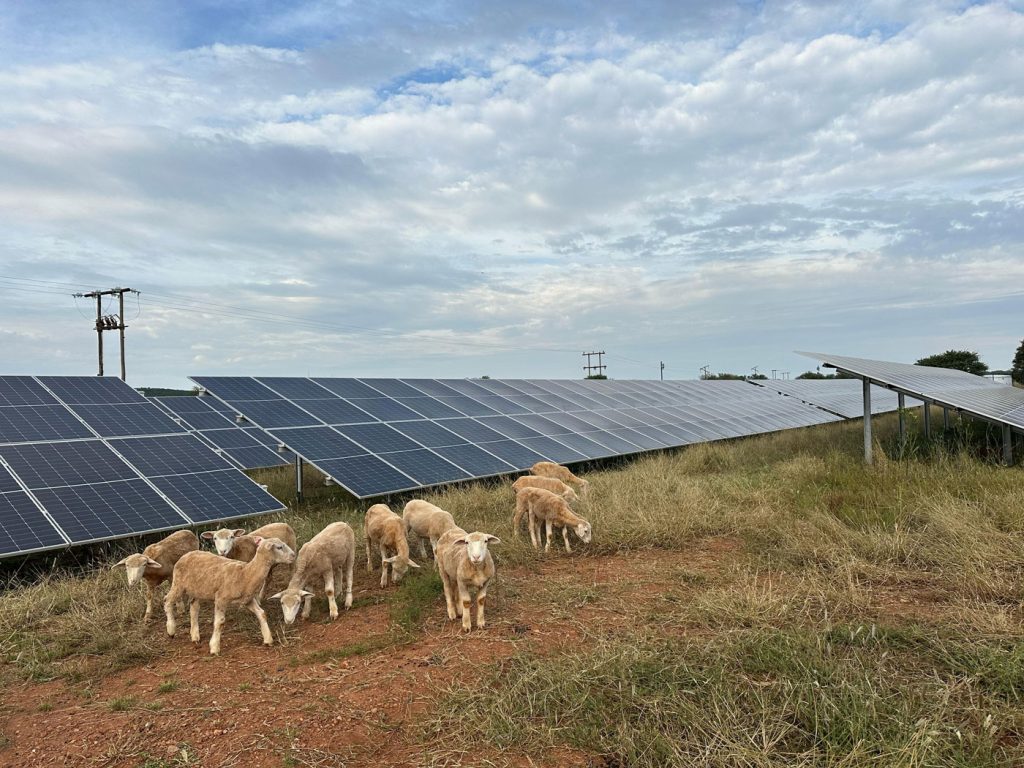
Renewable, off-grid charging addresses both sides of the equation, reducing reliance on imported fuel while avoiding additional pressure on a constrained grid. This is not theoretical. It is already being implemented through the rollout of off-grid, solar-powered charging infrastructure along national corridors.
At Zero Carbon Charge, this approach is being deployed through a national network designed to generate energy at the point of use, removing dependence on both oil and the grid.
The transition to electric mobility is underway. The economics are increasingly clear. There is a land grab underway and early mover advantage will be critical.
Energy independence is not achieved through intention. It is built through infrastructure.
*Andries Malherbe is Co-Founder of Zero Carbon Charge
