




Many people ask: “Why is there no South African Electric Vehicle?”
Surely we have enough local manufacturing expertise (just look at how many cars are assembled in South Africa), and surely we have the engineering expertise (we developed the Rooivalk helicopter and built the SALT and MeerKAT radio telescopes).
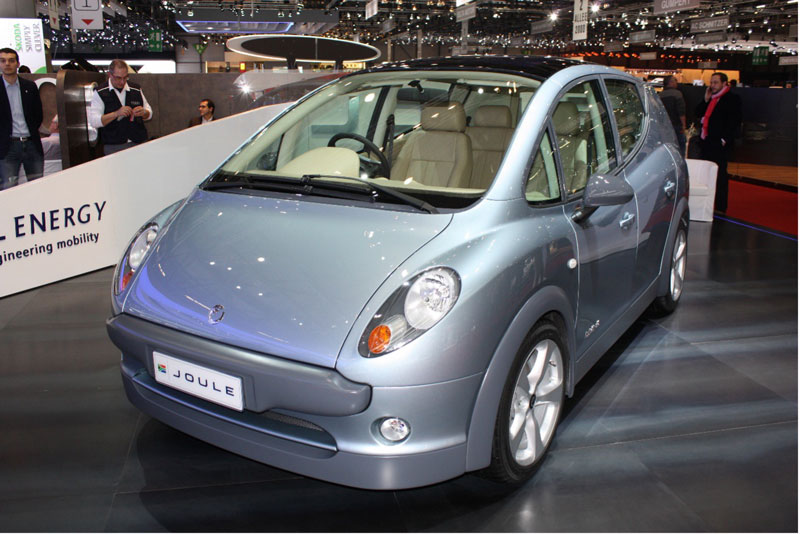
The same questions were asked by the inventors of the JOULE EV, leading to its development by a Cape Town company called Optimal Energy
Daring to dream
The year was 2004. As the world began whispering about “global warming” and “peak oil”, most people still believed that fossil fuels would flow forever. But aerospace engineer Kobus Meiring and his colleagues, Mike Lomberg, Jian Swiegers, and Gerhard Swart, saw what was coming. Having recently completed the Southern African Large Telescope (SALT) — the largest single optical telescope in the southern hemisphere — they began to wonder what might come next for South African innovation.
Their answer was daring: a home-grown, world-class electric vehicle that would challenge the global automotive industry and inspire a nation. It was an idea that was both visionary and patriotic — a statement that Africa could innovate at the same level as any global power. From this spark, Optimal Energy was born.
Birth of a vision
Backed by an initial R15 million investment from the Innovation Fund, Optimal Energy assembled a talented team of engineers, marketers, and designers. Among them was Keith Helfet, the acclaimed Jaguar designer known for his work on the iconic XJ220. With his artistry and the team’s engineering prowess, they created something extraordinary: the JOULE.
The JOULE was no toy or retrofit. It was a clean-sheet design — built from the ground up as a modern, fully electric urban car. Its aesthetics rivalled the best from Europe, while its engineering offered a glimpse of a sustainable automotive future that few had yet imagined.
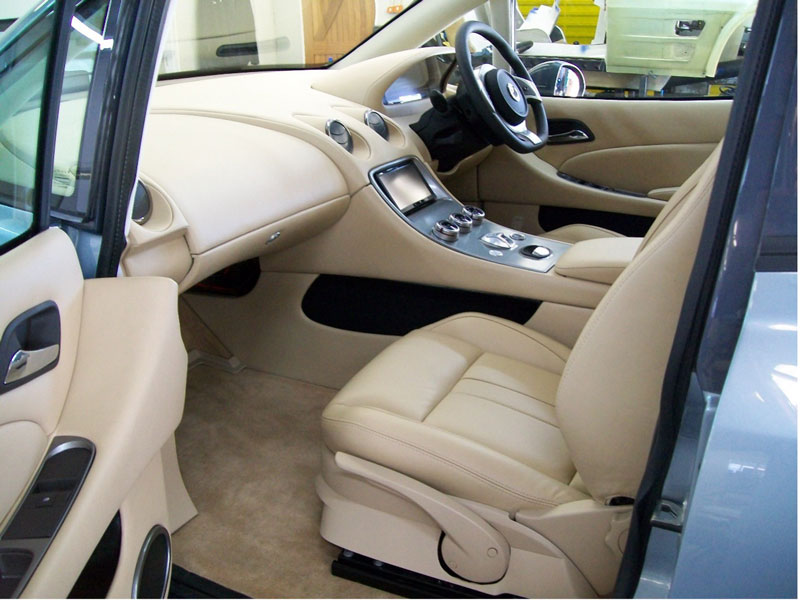
When the prototype debuted locally in 2008, South Africans were astonished, as was the international audience at the Paris Motor Show, where journalists hailed it as “The Crown Joule of the Paris Motor Show.”
Elegant, distinctive, and proudly South African, it became a symbol of what local innovation could achieve.
When the prototype debuted locally in 2008, South Africans were astonished, as was the international audience at the Paris Motor Show, where journalists hailed it as “The Crown Joule of the Paris Motor Show.” Elegant, distinctive, and proudly South African, it became a symbol of what local innovation could achieve.
Bold new ideas
At the Paris show, the JOULE hadn’t just turned heads — it turned assumptions upside down. Here was proof that world-class technology could emerge from the African continent. Investors took notice, and optimism surged. Optimal Energy laid plans to scale up production to 50,000 vehicles per year, focusing on the European market, where electric vehicle incentives and infrastructure were rapidly growing.
The Industrial Development Corporation (IDC) joined by funding the next development phase. Engineers refined the design, suppliers were engaged, and industrialisation plans were drawn up. Beneath the excitement lay a deeper vision: not merely to build a car, but to spark an industry — creating 10,000 jobs, boosting exports, and positioning South Africa as a leader in sustainable mobility.
During a visit to the team’s facilities, Minister of Science and Technology Mosibudi Mangena captured the emotional core of the project. Looking each manager in the eye, he asked, “Are you really going to make this happen?” He spoke of the need for hope among South African youth — hope for meaningful employment and for a future better than their parents’. The JOULE, he said, was more than a car; it was a national endeavour capable of inspiring a generation to pursue science, technology, and innovation.
Impressive progress
By 2011, Optimal Energy had built four road-ready prototypes. The JOULE wasn’t merely a proof of concept — it was a viable product that international journalists test-drove and praised. A team of over 100 South Africans was ready to lead a network of global partners and suppliers to full-scale production. The company stood at the threshold of industrialisation. All it needed was sustained funding.
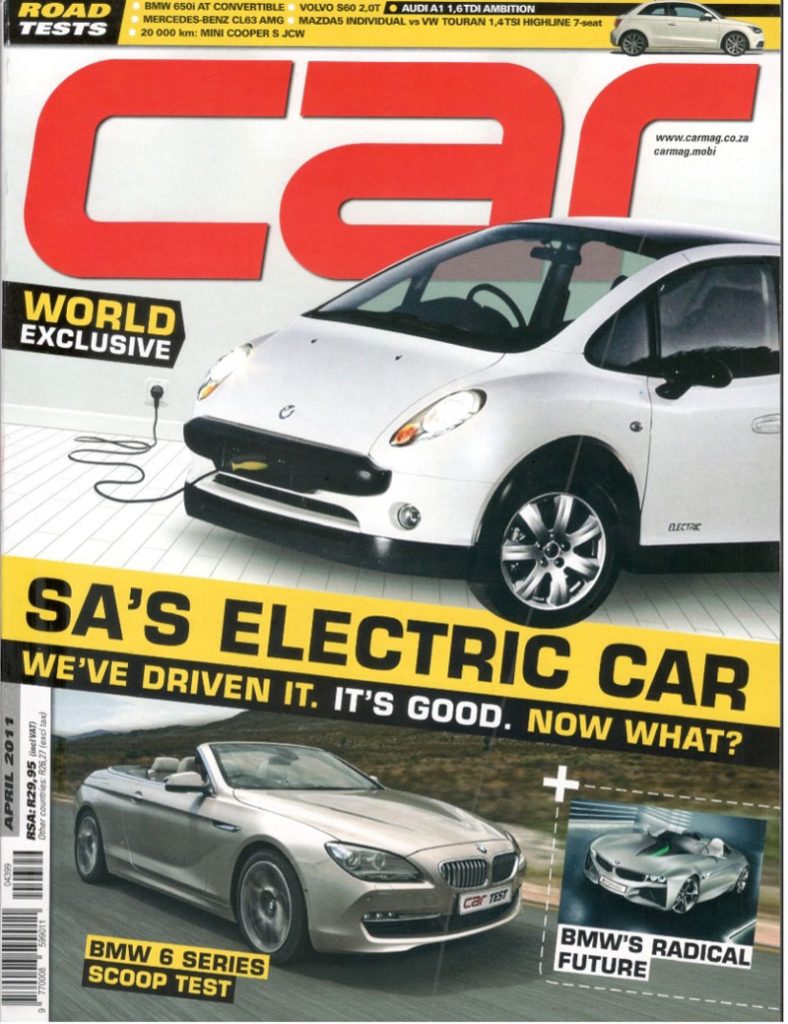
Inside the organisation, morale was high. CTO Gerhard Swart, one of the project’s founding engineers, recalled test-driving a prototype in Cape Town. Driving home through Melkbosstrand, he watched people’s reactions — curious stares, smiles, and disbelief when told the car didn’t need petrol at a local fuel station, as attendants circled the vehicle in awe.
“Their joy wasn’t just about technology,” Swart noted. “It was about pride in our country. People saw that South Africans had built this. It was a symbol of what our nation could achieve.”
Hesitation and decline
For a brief moment, the dream felt unstoppable.
But behind the optimism, political and financial realities were shifting. By mid-2012, despite having a working vehicle and global interest, Optimal Energy was forced to close its doors. The JOULE dream was over.
Gerhard Swart reveals, for the first time, why this all came to an end in his new book, Hope Arising: The Story of South Africa’s Electric Vehicle and Why It Still Matters. Through candid reflection, he explores the human, technical, and policy dimensions of the JOULE’s rise and fall. But above all, Hope Arising is not a eulogy — it’s a call to action. The JOULE project showed that South Africans possess the talent, creativity, and determination to compete globally in many different ways.
Today, as electric mobility reshapes the world’s automotive industry, the JOULE remains a powerful “what if” in South Africa’s story. It stands as proof that visionary engineering can emerge anywhere — even from a small start-up at the southern tip of Africa — and that innovation is as much about belief as it is about technology.
In the end, Hope Arising is exactly what its title suggests: a reminder that hope is the most renewable energy source of all. The dream that began with the JOULE has not died — it has simply passed to new opportunities that must be explored by the next generation of visionaries, engineers, and leaders who still believe that we can build the future we imagine, right here at home.
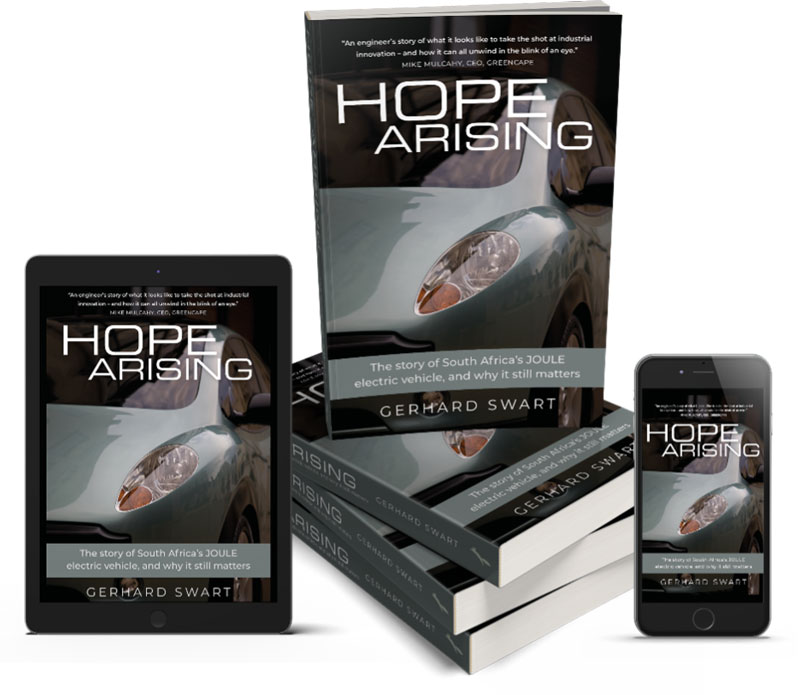
HOPE ARISING includes 32 pages of colour photos and is available in most bookshops and online at joulebook.co.za and publisher.co.za. It is also available on amazon.com, including Kindle and Kindle Unlimited.
Written by Guest Author Gerhard Swart
GERHARD SWART is a svstems engineer and entrepreneur with over 30 vears’ experience leading complex enaineering proiects He contributed to the Rooivalk attack helicopter, led integration for parts of the Hong Kong International Airport, and was the systems engineer behind the Southern African Large Telescope (SALT). As co-founder and Chief Technology Officer of Optimal Energy he helped pioneer the JOULE electric vehicle project. Passionate about innovation, engineering education and local industria development, Swart brings a rare blend of technical insight strategic thinking and heartfelt reflection to this important story.
